Klara Walter · 6 October 2026
Seasonal Biodiversity Monitoring Reveals Unexpected Species Migrations Around Aging Coastal Dock Foundations
Coastal researchers have tracked seasonal shifts in marine life around aging dock structures for years, and data collected through October 2026 continues to highlight patterns that differ from earlier models of habitat use. Monitoring programs in multiple regions show that pilings and submerged timbers create microhabitats where water flow, light penetration, and substrate composition differ from surrounding seabeds, which in turn influences where species settle or pass through during different times of the year.
Monitoring Methods and Data Collection
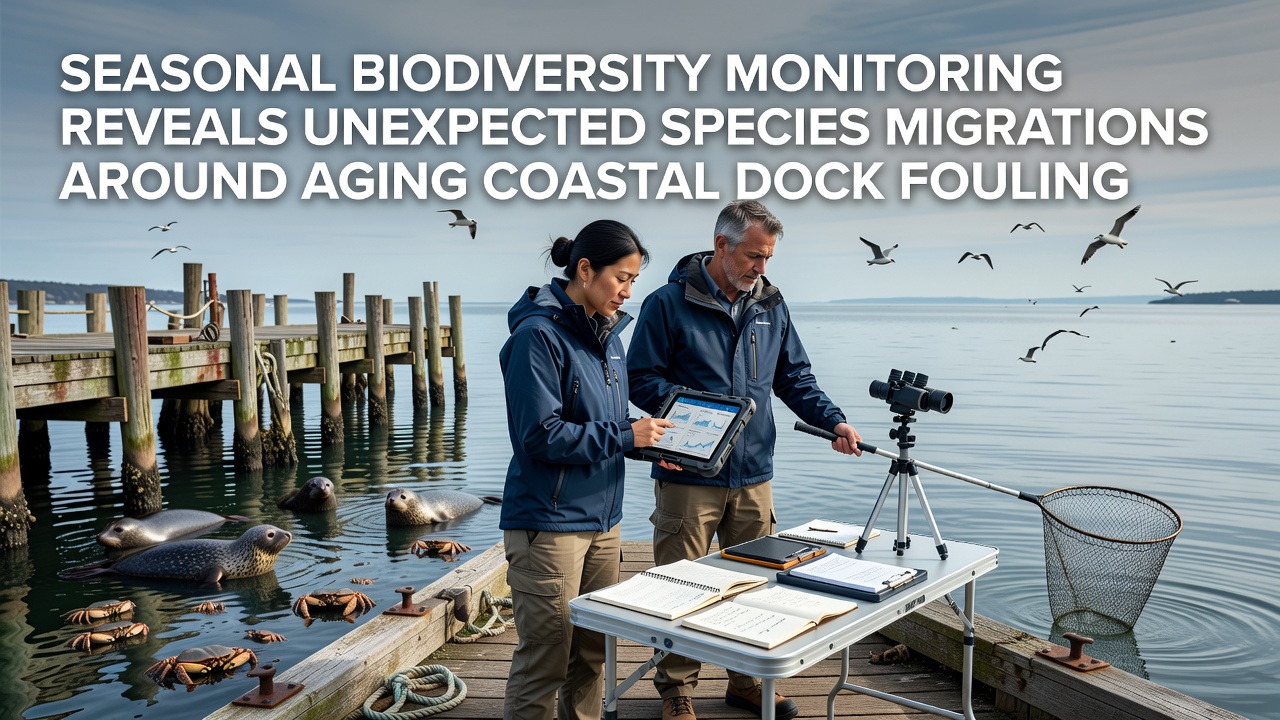
Teams deploy acoustic telemetry tags, underwater camera arrays, and environmental sensors at fixed intervals around dock perimeters, and these tools capture both resident populations and transient movements as water temperatures rise or fall. Studies coordinated across sites in the United States and Australia indicate that sampling frequency increases during spring and autumn transitions, when many species alter depth preferences or begin longer-distance travels. Figures from the National Oceanic and Atmospheric Administration reveal that continuous recording over multiple seasons produces datasets large enough to distinguish between random passage and repeated use of dock-adjacent corridors.
Observers note that the physical condition of dock foundations matters, since older timber and concrete elements often develop crevices and encrusting communities that later serve as stepping stones. When researchers compare intact docks with recently replaced sections, they find measurable differences in species turnover rates during the same calendar month, and these contrasts appear consistently across monitored harbors.
Observed Migration Patterns
Seasonal records show that certain fish species arrive earlier than historical baselines around dock clusters, while others linger longer in the shaded zones created by overhead decks. In one multi-year project along the Pacific coast, tagged rockfish demonstrated repeated returns to the same piling groups each autumn, a behavior recorded through October 2026 and documented in peer-reviewed datasets. Similar telemetry work in European waters has identified increased passage of migratory crustaceans along lines of aging pilings during cooler months, and these routes align with changes in near-bottom currents rather than simple temperature thresholds.
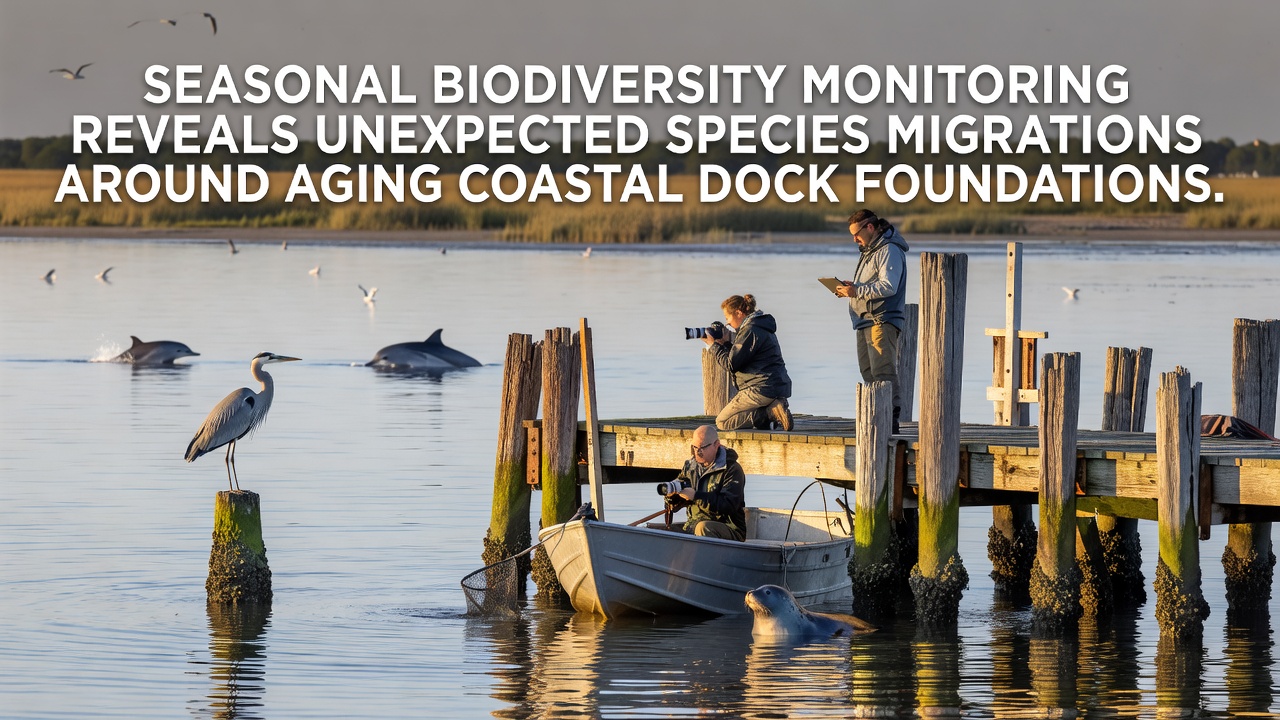
Birds and marine mammals also factor into the monitoring results, because dock structures sometimes concentrate prey species that attract foraging activity. Data collected by research vessels operating near harbor entrances show that seasonal spikes in fish density near foundations coincide with higher sighting rates of seabirds and seals during the same periods. What's interesting is how the timing of these aggregations shifts slightly from year to year, yet the spatial association with the oldest sections of each dock remains stable.
Factors Driving Shifts in Distribution
Researchers attribute part of the observed movement to the three-dimensional structure that aging docks provide, since vertical surfaces increase overall surface area available for attachment and shelter. Salinity gradients created by freshwater runoff near some harbor mouths interact with these structures, and monitoring shows that certain planktonic larvae concentrate in the resulting mixing zones before settling on nearby pilings. According to reports from the Commonwealth Scientific and Industrial Research Organisation, such interactions can extend the effective range of coastal species during transitional seasons, allowing individuals to move between previously disconnected patches of suitable habitat.
Light reduction beneath decks and changes in water velocity around pilings further modify local conditions, and long-term sensor logs indicate that these physical effects remain detectable even after decades of structural wear. When teams compare data from docks of varying ages, they find that older foundations support higher numbers of juvenile stages during spring recruitment windows, while newer installations show lower densities until encrusting communities develop.
Regional Examples and Ongoing Records
Along the Atlantic seaboard, port authorities have permitted continued access for monitoring teams, and the resulting datasets now span enough years to separate interannual variability from directional changes. In October 2026, crews working at one mid-Atlantic site recorded an unexpected northward extension of a temperate crab species that had previously been documented only farther south, and the animals followed lines of submerged dock timbers rather than open sediment. Parallel observations in Australian estuaries have noted similar use of legacy structures by mobile invertebrates during winter cooling periods, with tagged individuals returning to the same clusters across successive seasons.
These patterns emerge most clearly when monitoring covers both the water column and the benthic layer simultaneously, because many species shift vertically as well as horizontally. Acoustic arrays positioned at different depths around dock perimeters capture these layered movements, and the combined records allow analysts to map corridors that would remain invisible with surface-only surveys.
Conclusion
Seasonal biodiversity monitoring around aging coastal dock foundations continues to document migration behaviors that deviate from earlier predictions, and the evidence points to the physical attributes of these structures as key contributors. Data gathered through 2026 across multiple continents shows that consistent, multi-method observation reveals connections between dock age, seasonal timing, and species distribution that single-season snapshots miss. As monitoring programs maintain their schedules, the accumulating records provide a clearer picture of how legacy infrastructure intersects with natural movement cycles in coastal waters.